

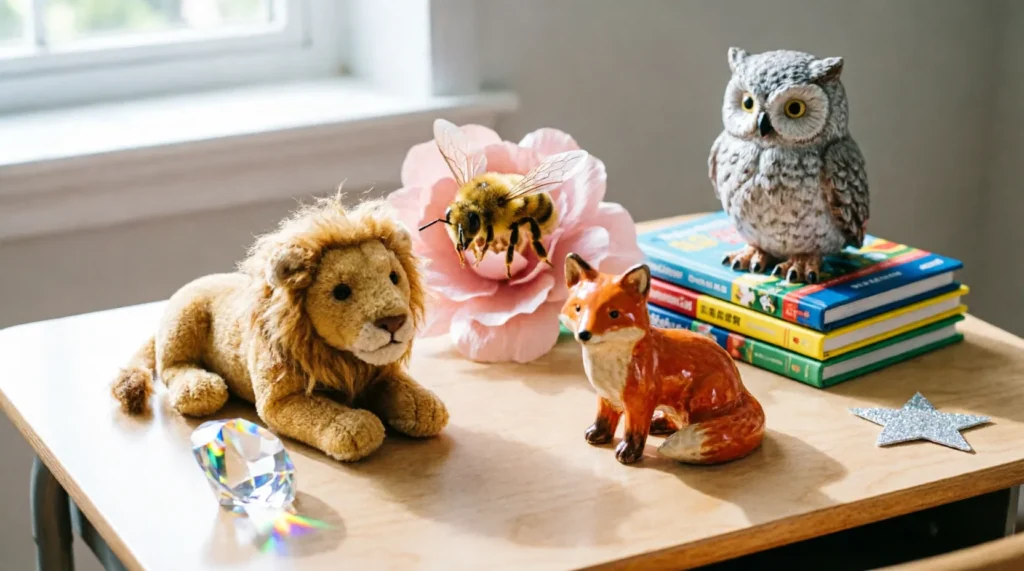
Similes give fifth graders a powerful way to make their writing come alive by comparing one thing to another using “like” or “as.” The list below organizes similes by theme so students can quickly find the perfect comparison for their stories, poems, and essays. Each example includes a real sentence showing exactly how to use it, plus a note about the tone it creates.
What Is a Simile?
A simile is a figure of speech that directly compares two different things using the words “like” or “as.” According to Wikipedia’s entry on similes, this literary device helps writers create vivid images by linking familiar concepts to new ideas. Unlike a metaphor, which states that one thing is another thing, a simile maintains the comparison with “like” or “as,” making it slightly more explicit and often easier for young writers to grasp and use effectively.
Nature and Animal Similes
Nature and animals provide some of the richest material for fifth-grade writers because kids encounter them constantly. These comparisons work well because they tap into shared experiences and observations.
-
“as busy as a bee” — “My mom was as busy as a bee getting ready for the party.” (energetic, positive) Craft note: The alliteration of the ‘b’ sound makes this simile stick in your mind, which is why it’s survived for centuries.
-
“as sly as a fox” — “The character in the story was as sly as a fox, always one step ahead.” (clever, slightly sneaky)
-
“as free as a bird” — “When school ended, I felt as free as a bird.” (liberated, joyful)
-
“as strong as an ox” — “The farmer was as strong as an ox after years of hard work.” (powerful, dependable) Craft note: This works because oxen are universally recognized as symbols of raw strength, making the comparison instantly understandable.
-
“as quick as a rabbit” — “She ran as quick as a rabbit when she heard the ice cream truck.” (fast, eager)
-
“as wise as an owl” — “My grandfather is as wise as an owl, always giving great advice.” (knowledgeable, respected)
-
“as gentle as a lamb” — “The new student was as gentle as a lamb, never causing any trouble.” (kind, peaceful)
-
“as stubborn as a mule” — “My little brother is as stubborn as a mule when it’s time to clean his room.” (frustrated, exasperated) Craft note: This one’s honest — it’s overused, but it works because everyone knows mules refuse to move when they don’t want to.
-
“as brave as a lion” — “She stood up to the bully as brave as a lion.” (courageous, admiring)
-
“as quiet as a mouse” — “The library was as quiet as a mouse during the test.” (silent, peaceful)
Similes for Feelings and Emotions
Fifth graders experience intense emotions, and these similes help them articulate what they’re feeling in their personal narratives and creative writing.
-
“as happy as a clam” — “I was as happy as a clam when I got an A on my project.” (delighted, satisfied)
-
“as sick as a dog” — “After eating too much candy, I felt as sick as a dog.” (unwell, regretful)
-
“as cool as a cucumber” — “Even during the presentation, she remained as cool as a cucumber.” (calm, composed) Craft note: The unexpected pairing of ‘cool’ with a vegetable creates a slight surprise that makes this memorable.
-
“as mad as a hornet” — “Dad was as mad as a hornet when I tracked mud on the clean floor.” (angry, intense)
-
“as nervous as a long-tailed cat in a room full of rocking chairs” — “I felt as nervous as a long-tailed cat before my first piano recital.” (anxious, jittery) Craft note: This extended simile creates a vivid mental image through its specificity — that’s why it’s stronger than just saying “nervous as a cat.”
-
“as proud as a peacock” — “He strutted around as proud as a peacock after winning the science fair.” (confident, showy)
-
“as sad as a rainy day” — “She felt as sad as a rainy day when her friend moved away.” (melancholy, gloomy)
-
“as excited as a kid on Christmas morning” — “I was as excited as a kid on Christmas morning about the field trip.” (thrilled, anticipatory)
Describing People and Characters
When writing character sketches or describing classmates, these similes help fifth graders paint clearer pictures of the people in their stories.
-
“as tall as a giant” — “The basketball player was as tall as a giant compared to the rest of us.” (impressive, towering)
-
“as small as a pint” — “My little sister is as small as a pint, but she has a huge personality.” (tiny, endearing)
-
“as old as the hills” — “That story my grandma tells is as old as the hills, but I still love it.” (ancient, timeless)
-
“as fresh as a daisy” — “After her nap, she woke up as fresh as a daisy.” (refreshed, vibrant)
-
“as plain as the nose on your face” — “The answer was as plain as the nose on your face once you thought about it.” (obvious, clear)
-
“as fit as a fiddle” — “My grandpa is as fit as a fiddle even though he’s seventy.” (healthy, energetic)
-
“as blind as a bat” — “Without my glasses, I’m as blind as a bat.” (unable to see, helpless) Craft note: I tell my students this one’s fine for casual writing, but it’s been used so much that it won’t surprise your reader anymore.
-
“as deaf as a post” — “He was as deaf as a post and didn’t hear the doorbell ring.” (unhearing, oblivious)
Action and Movement Similes
These similes bring energy to action scenes and help students describe how things move in their narratives.
-
“as fast as lightning” — “The runner took off as fast as lightning when the race started.” (rapid, explosive)
-
“as slow as a snail” — “Traffic moved as slow as a snail during rush hour.” (sluggish, frustrating)
-
“as light as a feather” — “The new backpack felt as light as a feather compared to my old one.” (weightless, easy)
-
“as heavy as lead” — “My eyelids felt as heavy as lead by the end of the movie.” (weighted, tired)
-
“as smooth as silk” — “Her voice was as smooth as silk when she sang the solo.” (flowing, pleasant) Craft note: The ‘s’ sounds throughout create a soft, flowing quality that mirrors the meaning — that’s sound matching sense.
-
“as rough as sandpaper” — “His hands were as rough as sandpaper after working in the garden.” (coarse, worn)
-
“as straight as an arrow” — “The new road runs as straight as an arrow through the desert.” (direct, precise)
-
“as crooked as a dog’s hind leg” — “The picture frame hung as crooked as a dog’s hind leg.” (bent, askew)
Weather and Time Similes
Fifth graders often write about seasons, weather events, and the passage of time. These similes help ground those descriptions.
-
“as cold as ice” — “The water from the mountain stream was as cold as ice.” (freezing, sharp)
-
“as hot as an oven” — “The classroom was as hot as an oven without air conditioning.” (sweltering, uncomfortable)
-
“as bright as the sun” — “Her smile was as bright as the sun on a summer day.” (radiant, cheerful)
-
“as dark as night” — “The basement was as dark as night when the power went out.” (pitch-black, mysterious)
-
“as clear as crystal” — “The instructions were as clear as crystal once the teacher explained them.” (understandable, transparent)
-
“as steady as a rock” — “Her voice remained as steady as a rock even though she was nervous.” (stable, reliable)
-
“as changeable as the weather” — “My little brother’s mood is as changeable as the weather in spring.” (unpredictable, variable)
How to Write Your Own Class 5 Simile
Creating your own similes is easier than you think. Follow these three steps:
Step 1: Identify the quality you want to describe (fast, slow, bright, scary, etc.).
Step 2: Think of something familiar that shares that quality. Ask yourself: “What else is fast?” or “What else is bright?”
Step 3: Connect them with “like” or “as…as.”
Here’s a worked example: Let’s say you want to describe how loud your alarm clock is. First, identify the quality: loud. Next, think of loud things: a siren, a drum, a jet plane. Finally, connect them: “My alarm clock is as loud as a jet plane taking off.” That’s your simile!
The version my students always reach for first is comparing things to animals or weather because those are concrete and easy to visualize. Start there, then branch out to more creative comparisons as you get comfortable.
Frequently Asked Questions
What’s the difference between a simile and a metaphor for fifth graders? A simile uses “like” or “as” to compare two things (“she runs like the wind”), while a metaphor states one thing is another (“she is the wind”). Similes are generally easier for fifth graders to understand and use correctly because the comparison word signals that you’re making a comparison, not stating a fact.
How many similes should I use in one paragraph? One or two well-chosen similes per paragraph is plenty for fifth-grade writing. Using too many makes your writing feel cluttered and can distract from your main idea. Think of similes like spices — a little enhances the flavor, but too much ruins the dish.
Can I make up my own similes or should I only use ones from lists? Absolutely make up your own! Lists like this one are great for learning what similes look like and getting ideas, but your original comparisons will make your writing unique. The best similes come from your own observations of the world around you.
Why do we use similes in writing? Similes help readers understand and visualize what you’re describing by connecting it to something they already know. According to Wikipedia’s article on class, fifth grade is when students transition from learning to read to reading to learn — and similes support that transition by building connections between new ideas and familiar concepts. They make your writing more engaging and memorable.

Melissa Harris combines her background in creative writing with a keen analytical mind to bring a unique perspective on similes and figurative language. She holds a Bachelor of Arts in Creative Writing from the University of Iowa and a Ph.D. in Comparative Literature from Stanford University. Her love for the lyrical and the whimsical aspects of language drew her to specialize in figurative speeches, such as similes. With over a decade of experience as a writer and editor, Melissa is adept at breaking down complex figurative constructs into digestible insights for her audience. She is especially interested in the cognitive impact of similes in poetry and prose and enjoys experimenting with innovative approaches to simile creation in her writing. At SimileStation, Melissa contributes in-depth analysis pieces and creative exercises designed to spark imagination and refine readers’ use of similes. Her work inspires others to view language as an ever-evolving canvas, where words create a vivid tapestry of expression.