

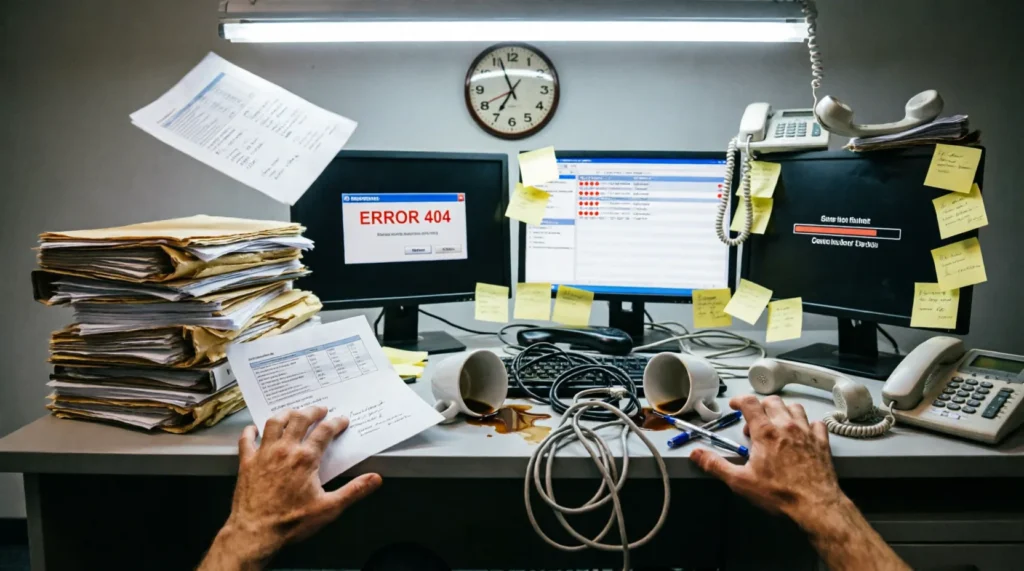
Similes transform the abstract stress of a disorganized office into concrete, sensory experiences that readers instantly recognize. When you describe a chaotic work environment using comparisons to storms, traffic jams, or untamed wilderness, you give your audience a visceral understanding of the dysfunction without needing pages of explanation. The similes below are categorized by the specific type of chaos they evoke, allowing you to pinpoint the exact flavor of disorder in your narrative.
What is a simile?
A simile is a figure of speech that directly compares two different things using the words “like” or “as.” Unlike a metaphor, which states that one thing is another (e.g., “the office was a zoo”), a simile maintains the distinction between the two entities while highlighting their shared characteristics (e.g., “the office was like a zoo”). This subtle difference often makes similes feel more observational and less declarative, giving the reader space to draw their own conclusions about the intensity of the comparison. According to Metaphor, this comparative structure is foundational to how humans process complex abstract concepts through familiar physical experiences.
Chaos as Natural Disaster
When workplace disorder feels uncontrollable and destructive, natural disaster imagery captures the sheer scale of the disruption. These similes work best when the chaos is sudden, overwhelming, and leaves a mess in its wake.
- “like a hurricane hit the filing cabinet” — “We opened the door and it looked like a hurricane hit the filing cabinet.” (destructive, irreversible)
- Craft note: This works because hurricanes imply wind speed and scattered debris, perfectly mirroring papers strewn across a floor.
- “as unpredictable as a thunderstorm” — “The manager’s mood was as unpredictable as a thunderstorm.” (volatile, dangerous)
- “like an earthquake shifting the foundation” — “The merger felt like an earthquake shifting the foundation.” (structural, destabilizing)
- “as chaotic as a wildfire” — “Rumors spread through the department as chaotic as a wildfire.” (fast-moving, consuming)
- “like a tidal wave of emails” — “I returned from lunch to a tidal wave of emails.” (overwhelming, suffocating)
- “as messy as a mudslide” — “The project timeline was as messy as a mudslide.” (slow, heavy, obstructive)
- “like a blizzard blocking the exit” — “Bureaucracy piled up like a blizzard blocking the exit.” (cold, immobilizing)
- “as fierce as a tornado” — “The audit arrived as fierce as a tornado.” (spinning, destructive)
Avoid the cliché “perfect storm” unless you are specifically referring to multiple negative factors converging at once. It has been overused in corporate speak to the point of losing its impact. Instead, choose a specific disaster that matches the type of chaos: fire for speed, earthquake for structural change, or flood for volume.
Chaos as Traffic and Transportation
Office chaos often involves bottlenecks, collisions, and a lack of clear direction. Traffic similes resonate because most professionals have experienced the frustration of being stuck in gridlock or navigating unsafe roads.
- “like rush hour on a freeway” — “The morning standup was like rush hour on a freeway.” (congested, loud)
- Craft note: This simile taps into the universal anxiety of being late and unable to move, making it immediately relatable.
- “as jammed as a subway car” — “The conference room was as jammed as a subway car.” (cramped, uncomfortable)
- “like a car crash in slow motion” — “We watched the product launch fail like a car crash in slow motion.” (inevitable, painful)
- “as confusing as a roundabout” — “The approval process was as confusing as a roundabout.” (circular, disorienting)
- “like a train off the tracks” — “The budget meeting went like a train off the tracks.” (derailed, catastrophic)
- “as stalled as traffic in a tunnel” — “Progress was as stalled as traffic in a tunnel.” (dark, stagnant)
- “like a bumper-car arena” — “Interdepartmental communication felt like a bumper-car arena.” (colliding, repetitive)
- “as erratic as a swerving driver” — “The client’s requests were as erratic as a swerving driver.” (unsafe, unpredictable)
When using transportation similes, focus on the movement (or lack thereof). If the chaos is about too many people talking at once, use “rush hour.” If it is about a project failing despite warning signs, use “train off the tracks.” Precision matters here.
Chaos as Animal Behavior
Describing colleagues or management as animals highlights the primal, unstructured, and sometimes aggressive nature of a dysfunctional workplace. These similes are particularly effective for conveying a lack of professional decorum.
- “like a hive of angry bees” — “The open-plan office buzzed like a hive of angry bees.” (noisy, agitated)
- Craft note: The auditory element of “buzzing” makes this simile vivid; it suggests not just noise, but irritation.
- “as wild as a stampede” — “The sale announcement caused a rush as wild as a stampede.” (panicked, crushing)
- “like cats in a bag” — “Trying to organize the team was like herding cats in a bag.” (impossible, tangled)
- “as territorial as wolves” — “The sales teams were as territorial as wolves.” (aggressive, protective)
- “like a monkey house” — “The break room sounded like a monkey house.” (chaotic, screeching)
- “as scattered as ants” — “When the fire alarm rang, we scattered as scattered as ants.” (disorganized, frantic)
- “like a dog chasing its tail” — “We were running around like a dog chasing its tail.” (futile, circular)
- “as noisy as a flock of seagulls” — “The brainstorming session was as noisy as a flock of seagulls.” (shrill, competing)
Be cautious with animal similes, as they can verge on dehumanizing if used to describe individuals rather than the general atmosphere. Use them to describe the energy of the room, not the character of specific coworkers. For example, “the room was like a zoo” is acceptable; “my boss is a gorilla” is unprofessional and likely inaccurate.
Chaos as Domestic Disorder
Sometimes the most powerful similes come from everyday life. Comparing the office to a messy home or a failed household event grounds the chaos in familiar, tangible frustrations. These work well for narratives that aim for humor or relatability rather than horror.
- “like a toddler’s birthday party” — “The product demo was like a toddler’s birthday party.” (sugary, screaming, out of control)
- Craft note: This simile adds a layer of absurdity, suggesting that the chaos is both loud and somewhat childish.
- “as cluttered as a hoarder’s garage” — “The shared drive was as cluttered as a hoarder’s garage.” (overfilled, unusable)
- “like a kitchen during Thanksgiving” — “The launch day felt like a kitchen during Thanksgiving.” (hot, crowded, high-stakes)
- “as messy as a teenager’s bedroom” — “His desk was as messy as a teenager’s bedroom.” (neglected, chaotic)
- “like a family argument at dinner” — “The board meeting unfolded like a family argument at dinner.” (personal, heated)
- “as tangled as holiday lights” — “The workflow was as tangled as holiday lights.” (knotted, frustrating)
- “like a dropped tray of dishes” — “The news hit the team like a dropped tray of dishes.” (shattering, loud)
- “as chaotic as a laundry day” — “Sorting the data felt as chaotic as a laundry day.” (mixed, endless)
Domestic similes are excellent for lowering the stakes slightly, making the chaos feel manageable or even funny. They are less threatening than disaster imagery, which makes them suitable for internal communications or lighthearted blog posts about workplace culture.
How to write your own work environment simile
Creating a fresh simile requires identifying the specific sensory detail of the chaos and matching it to a universally understood experience. Follow these three steps to build your own.
First, isolate the primary sensation. Is the chaos loud? Fast? Confusing? Heavy? For example, if the office is loud, do not just say “it was noisy.” Determine if it is a low rumble (like a generator) or a high-pitched shriek (like a tea kettle).
Second, find a concrete object or event that shares that sensation. Avoid abstract concepts. Instead of “like confusion,” use “like a maze.” Instead of “like stress,” use “like a tightening vise.”
Third, test the comparison for clarity. Read it aloud. If you have to explain why the two things are similar, the simile is weak. A strong simile clicks instantly. For example, “The meeting was like watching paint dry” is immediate; “The meeting was like a philosophical debate in a foreign language” requires too much cognitive load.
Worked Example:
- Sensation: The project is moving slowly and getting stuck in various departments.
- Concrete Object: Molasses in winter.
- Simile: “The approval process moved like molasses in winter.”
- Why it works: Everyone knows molasses is thick and slow, and cold makes it slower. It conveys frustration without anger.
Frequently Asked Questions
What is the difference between a simile and a metaphor for a chaotic workplace? A simile uses “like” or “as” to compare the workplace to chaos (e.g., “The office was like a circus”), while a metaphor states it is the chaos (e.g., “The office was a circus”). Similes are often softer and more observational, whereas metaphors are more direct and assertive. Choose similes when you want to invite the reader to make the connection; choose metaphors when you want to declare the reality.
Are there any similes I should avoid in professional writing? Yes. Avoid similes that are overly violent, sexual, or derogatory. Also, skip clichés like “busy as a bee” or “clear as mud,” as they add no new information. According to Environment, context shapes perception, so ensure your simile fits the professional tone of your document. If a simile makes you cringe, your reader will likely feel the same.
Can I use similes in formal reports? Use them sparingly. In highly technical or legal documents, stick to literal descriptions. However, in executive summaries, culture decks, or internal newsletters, a well-placed simile can make complex organizational issues more memorable. The key is relevance: if the simile clarifies the point, keep it. If it distracts, cut it.
How do I know if my simile is effective? Test it on a colleague who does not work in your department. If they immediately understand the type of chaos you are describing without needing explanation, the simile is effective. If they look confused or ask for clarification, the comparison is too obscure or personal. Aim for universal experiences: traffic, weather, animals, and household mishaps are safe bets.

Kenneth White is a seasoned linguist with over 15 years of experience in studying and teaching figurative language. He earned his Master’s degree in English Literature from Yale University, where he developed a deep interest in the art of similes and metaphors. His fascination with how similes enhance storytelling and evoke vivid imagery has been a guiding force throughout his career. Kenneth has conducted numerous workshops and seminars, educating students and fellow writers on effectively incorporating similes into their work. He has authored several papers detailing the evolution of simile usage across different literary periods. At SimileStation, Kenneth focuses on exploring the historical significance of similes and how they reflect cultural contexts. His articles dissect famous literary works, highlighting the creative use of figurative language to inspire emerging writers. Kenneth’s passion for language is as unwavering as a lighthouse in a storm, guiding readers through the complexities of simile construction and application.