

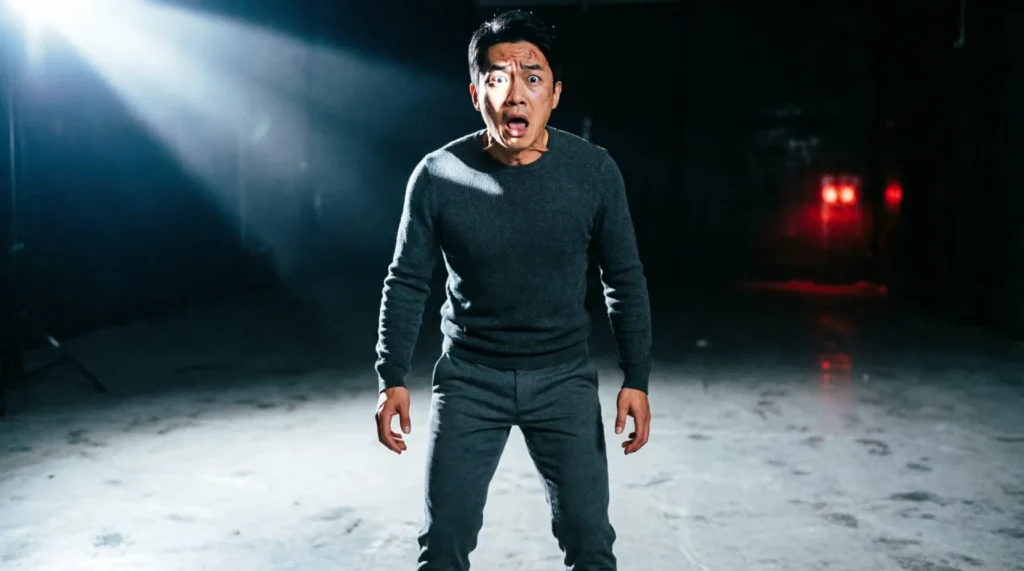
When you need to convey absolute, bone-deep terror, a well-chosen simile does what# Simile for Scared to Death: 40+ Vivid Comparisons to Capture True Terror
When you need to describe a character or moment of absolute, bone-deep fear, generic adjectives like “terrified” or “frightened” often fall flat. A strong simile for scared to death bridges the gap between internal feeling and external reality, giving your reader a physical sensation they can recognize. The examples below are categorized by intensity and context, allowing you to choose the precise shade of panic that fits your narrative, whether it is a sudden shock or a lingering dread.
What Is a Simile?
A simile is a figure of speech that directly compares two different things using the words “like” or “as” to highlight a shared quality. According to Wikipedia, this literary device allows writers to create vivid imagery by linking an abstract emotion or complex situation to a concrete, familiar object or experience. Unlike a metaphor, which states that one thing is another (e.g., “Fear is a shadow”), a simile maintains the distinction between the two elements while drawing a parallel (e.g., “Fear clung to him like a shadow”). This subtle difference makes similes particularly effective for describing intense emotions because they acknowledge the feeling while grounding it in the physical world.
Sudden Shocks and Startles
These similes capture the immediate, visceral reaction to an unexpected threat. They are best used for jump scares, sudden realizations, or moments where the character has no time to process the danger before their body reacts.
- “like a deer in headlights” — “He froze in the doorway, staring at the intruder like a deer in headlights.” (classic, implies paralysis and vulnerability)
- “as if struck by lightning” — “The news hit her as if she had been struck by lightning, leaving her breathless and numb.” (sudden, high-energy impact)
- “like a rabbit caught in a trap” — “When the door slammed shut, he looked around like a rabbit caught in a trap, eyes wide and frantic.” (implies confinement and hopelessness)
- “as jumpy as a cat on hot bricks” — “She sat on the edge of the seat, as jumpy as a cat on hot bricks, waiting for the verdict.” (restless, anticipatory anxiety)
- “like a ghost had walked over his grave” — “A sudden chill ran down his spine, like a ghost had walked over his grave.” (supernatural, eerie, cold fear)
- “as startled as a bird taking flight” — “The loud bang made her jump, as startled as a bird taking flight from a quiet branch.” (quick, reflexive movement)
- “like ice water dumped down his back” — “The realization washed over him like ice water dumped down his back, shocking him into silence.” (physical sensation of cold shock)
Craft Note: The “deer in headlights” simile is ubiquitous for a reason—it instantly communicates the freeze response. However, because it is so common, try to pair it with a specific physical detail (like the widening of pupils or the tightening of muscles) to keep it fresh in your prose.
Paralyzing Dread and Helplessness
Sometimes fear does not make us run; it makes us stick to the floor. These comparisons focus on the weight of fear, the inability to move, and the sense of being trapped by one’s own terror.
- “as still as a statue” — “She stood as still as a statue, hoping the monster would not notice her breathing.” (complete immobility, tension)
- “like a fly in a spider’s web” — “He felt like a fly in a spider’s web, struggling against forces far stronger than himself.” (entrapment, inevitable doom)
- “as frozen as a pond in winter” — “Her mind went as frozen as a pond in winter, unable to form a single thought.” (mental block, coldness)
- “like a mouse under the paw of a cat” — “They watched him approach, feeling like a mouse under the paw of a cat, toyed with before the end.” (power imbalance, cruelty)
- “as rooted to the spot as an old oak” — “Despite the fire alarm, he remained as rooted to the spot as an old oak, unable to command his legs to move.” (heavy, immovable weight)
- “like a bug pinned to a board” — “Under the investigator’s gaze, she felt like a bug pinned to a board, exposed and helpless.” (scrutiny, vulnerability)
- “as stiff as a board” — “His body went as stiff as a board, every muscle locked in anticipation of pain.” (rigidity, defensive posture)
Craft Note: “Stiff as a board” is often considered a cliché in creative writing workshops. If you use it, ensure the context justifies the rigidity—such as a medical examination or a corpse-like fear—otherwise, opt for “frozen as a pond” to evoke a more atmospheric, chilling stillness.
Physical Sensations and Bodily Reactions
Fear is deeply physiological. These similes describe what fear feels like inside the body: the racing heart, the trembling hands, and the hollow stomach. They are excellent for close-third-person or first-person narratives where internal sensation is key.
- “heart beating like a drum” — “His heart was beating like a drum in his chest, loud enough for everyone to hear.” (rhythmic, audible panic)
- “shaking like a leaf in a storm” — “Her hands were shaking like a leaf in a storm, making it impossible to hold the key.” (violent, uncontrollable trembling)
- “as cold as ice” — “His blood ran as cold as ice when he saw the signature on the document.” (loss of warmth, shock)
- “like butterflies turned to bats” — “The nervous excitement in her stomach curdled, like butterflies turned to bats, flapping wildly against her ribs.” (twist on a common phrase, darker tone)
- “as pale as a sheet” — “He emerged from the basement as pale as a sheet, having seen something unspeakable.” (visible loss of color, sickness)
- “like a volcano about to erupt” — “The pressure in his chest built like a volcano about to erupt, demanding release.” (building tension, explosive potential)
- “as dry as dust” — “Her mouth went as dry as dust, making it difficult to scream for help.” (dehydration, inability to speak)
Craft Note: The “butterflies turned to bats” variation works well because it subverts a common romantic or nervous trope. It signals to the reader that the situation has shifted from mild anxiety to genuine terror without needing explicit explanation.
Overwhelming and All-Consuming Fear
These similes describe fear that takes over the entire being, drowning out logic, hope, or other emotions. They are suitable for climactic scenes or moments of existential threat.
- “like drowning in deep water” — “Panic set in like drowning in deep water, pulling him down before he could take a breath.” (suffocation, loss of control)
- “as dark as a moonless night” — “Her future seemed as dark as a moonless night, with no path forward visible.” (hopelessness, absence of light)
- “like a wave crashing over a sandcastle” — “The truth hit them like a wave crashing over a sandcastle, destroying everything they had built.” (destructive, overwhelming force)
- “as heavy as a lead cloak” — “Guilt and fear weighed on him as heavy as a lead cloak, dragging him toward the ground.” (burden, exhaustion)
- “like being buried alive” — “The silence in the room felt like being buried alive, suffocating and final.” (claustrophobia, finality)
- “as vast as the ocean” — “His terror was as vast as the ocean, endless and deep beyond measurement.” (scale, incomprehensibility)
- “like a shadow swallowing the light” — “Dread spread through the group like a shadow swallowing the light, dimming their hope.” (encroachment, loss of safety)
According to Wikipedia, fear is a basic survival mechanism triggered by a specific threat, but in literature, it often expands to represent broader anxieties about loss, failure, or the unknown. Using similes that emphasize scale (“vast as the ocean”) or total consumption (“shadow swallowing the light”) helps convey this expansion from simple survival instinct to profound emotional crisis.
Everyday and Relatable Fears
Not all fear is life-threatening. Sometimes we need to describe social anxiety, minor scares, or the everyday jitters that still feel significant to the character. These similes are lighter but still effective.
- “as nervous as a long-tailed cat in a room full of rocking chairs” — “He waited for the interview, as nervous as a long-tailed cat in a room full of rocking chairs.” (humorous, Southern idiom, high anxiety)
- “like walking on eggshells” — “She moved through the house like walking on eggshells, afraid to make a sound.” (caution, fragility)
- “as jittery as a caffeinated squirrel” — “After the close call, he was as jittery as a caffeinated squirrel, unable to sit still.” (high energy, nervous twitching)
- “like a student who forgot to study” — “When the boss asked for the report, he felt like a student who forgot to study, exposed and unprepared.” (relatable, shame-based fear)
- “as uneasy as a one-legged man in a butt-kicking contest” — “The deal smelled wrong, leaving him as uneasy as a one-legged man in a butt-kicking contest.” (vulnerability, disadvantage)
- “like a dog hearing thunder” — “At the first sign of conflict, he cowered like a dog hearing thunder, seeking shelter.” (instinctive, conditioned response)
Craft Note: The “long-tailed cat” simile is a favorite in dialogue because it adds character voice. It suggests the speaker is folksy or humorous, even in tense situations. Use it to reveal personality, not just fear.
How to Write Your Own “Scared to Death” Simile
Creating a unique simile requires moving beyond the first image that comes to mind. Follow these three steps to craft comparisons that feel fresh and specific to your story.
- Identify the Core Sensation: Ask yourself what the fear feels like physically. Is it cold? Heavy? Fast? Sharp? For example, if the fear is sharp and sudden, think of needles, glass, or lightning. If it is heavy and slow, think of weights, mud, or chains.
- Find a Concrete Object: Choose an object or experience that shares that quality. Avoid abstract concepts. Instead of “like sadness,” use “like a wet wool blanket.” The more tangible the object, the more visceral the simile.
- Test for Surprise and Accuracy: Read the simile aloud. Does it surprise the reader slightly while still making perfect sense? If it is too predictable (“scared as a mouse”), tweak the object. If it is too obscure (“scared as a quark in a collider”), simplify it.
Worked Example:
- Initial thought: He was scared.
- Core sensation: Tightness in the chest, inability to breathe.
- Concrete object: A vice grip, a tight rope, a constrictor snake.
- Draft: Fear wrapped around him like a constrictor snake.
- Refinement: “Fear coiled around his ribs like a constrictor snake, squeezing the air from his lungs with every heartbeat.”
Frequently Asked Questions
What is the difference between a simile and a metaphor for fear? A simile uses “like” or “as” to compare fear to something else (e.g., “Fear was like a cold hand”), while a metaphor states that fear is that thing (e.g., “Fear was a cold hand”). Similes are often clearer for quick descriptions, while metaphors can feel more immersive and poetic.
Are there any similes for fear I should avoid? Yes. Clichés like “scared stiff,” “white as a sheet,” and “heart in my throat” are overused and can make writing feel lazy. While they are understood instantly, they rarely create a vivid new image. Try to twist them or replace them with more specific physical sensations relevant to your character.
Can similes for fear be funny? Absolutely. Similes like “nervous as a long-tailed cat in a room full of rocking chairs” or “jittery as a caffeinated squirrel” add humor and levity. They are useful in comedic scenes or to show a character coping with stress through humor.
How do I choose the right simile for my character? Consider the character’s background and the scene’s tone. A sailor might fear “like a ship in a hurricane,” while a musician might fear “like a string about to snap.” Matching the simile to the character’s worldview makes the description feel authentic and personalized.

Kenneth White is a seasoned linguist with over 15 years of experience in studying and teaching figurative language. He earned his Master’s degree in English Literature from Yale University, where he developed a deep interest in the art of similes and metaphors. His fascination with how similes enhance storytelling and evoke vivid imagery has been a guiding force throughout his career. Kenneth has conducted numerous workshops and seminars, educating students and fellow writers on effectively incorporating similes into their work. He has authored several papers detailing the evolution of simile usage across different literary periods. At SimileStation, Kenneth focuses on exploring the historical significance of similes and how they reflect cultural contexts. His articles dissect famous literary works, highlighting the creative use of figurative language to inspire emerging writers. Kenneth’s passion for language is as unwavering as a lighthouse in a storm, guiding readers through the complexities of simile construction and application.