

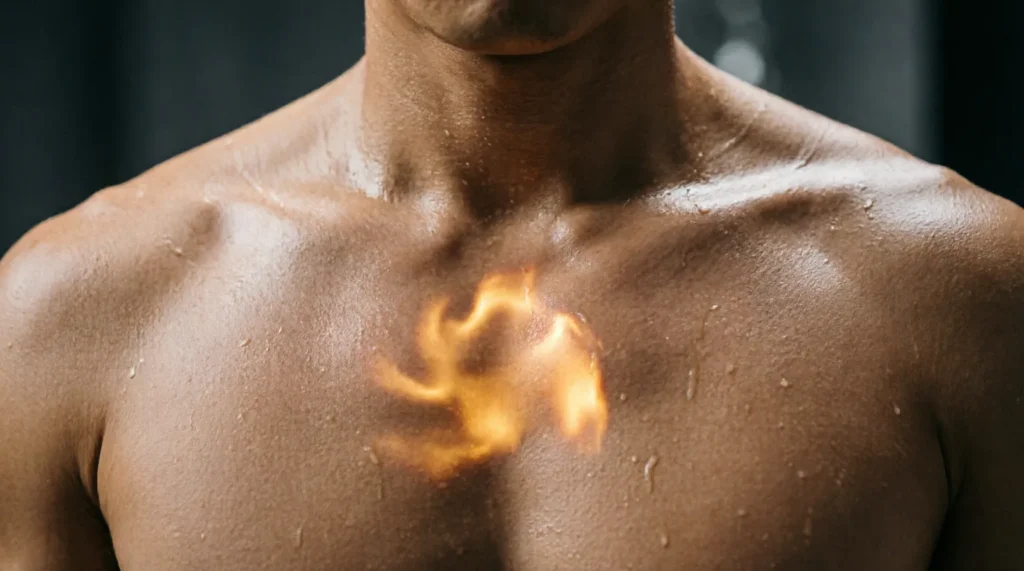
When you need to describe the physical sensation of a racing pulse, finding the right comparison transforms a flat statement into a visceral experience. Similes for “my heart was beating” anchor abstract emotions in tangible, rhythmic imagery that readers can feel in their own chests. Use the curated lists below to instantly match the exact emotional temperature of your scene, whether you are drafting a thriller, a romance, or a personal memoir.
Fear and Panic
When fear takes over, the heartbeat becomes a frantic, uncontrollable force. According to the foundational literary definition of a simile, this figure of speech directly compares two different things using “like” or “as” to create a vivid sensory bridge. In moments of panic, that bridge must convey urgency and a total loss of control.
- “like a trapped bird” — “When the door slammed shut, my heart was beating like a trapped bird against my ribs.” (panicked, claustrophobic). I tell my students to avoid this one unless the setting specifically calls for it; it has become a tired cliché in modern thrillers.
- “like a war drum” — “As the footsteps approached, my heart was beating like a war drum in the silence.” (ominous, rhythmic). This works because the hard consonant sounds mimic the thudding impact of fear.
- “like a jackhammer” — “Standing on the edge of the roof, my heart was beating like a jackhammer.” (harsh, mechanical). Skip this entirely; it is an overused cliché that strips the scene of genuine emotional weight.
- “like a hummingbird’s wings” — “When he called my name from the shadows, my heart was beating like a hummingbird’s wings.” (frantic, high-pitched anxiety).
- “like a snare drum” — “My heart was beating like a snare drum as the teacher called out the failing grades.” (tight, nervous tension).
- “like a runaway train” — “After the near-miss on the icy highway, my heart was beating like a runaway train.” (momentum, unstoppable fear).
- “like a ticking time bomb” — “Sitting in the principal’s office, my heart was beating like a ticking time bomb.” (dread, impending doom).
- “like a frantic moth” — “In the dark hallway, my heart was beating like a frantic moth battering against a windowpane.” (disoriented, desperate).
Excitement and Anticipation
Excitement makes the heart beat with a bright, expansive energy. These similes should feel upward-moving and vibrant, capturing the thrill of a positive outcome.
- “like a bouncy ball” — “When she said yes to the cross-country trip, my heart was beating like a bouncy ball on a hardwood floor.” (playful, buoyant).
- “like a fireworks finale” — “As the curtain rose on opening night, my heart was beating like a fireworks finale.” (explosive, celebratory). The plosive sounds in the surrounding words create a sonic echo of the pulse.
- “like a galloping horse” — “Riding toward the finish line, my heart was beating like a galloping horse.” (triumphant, powerful).
- “like a bubbling spring” — “Hearing the good news about the promotion, my heart was beating like a bubbling spring.” (fresh, overflowing joy).
- “like a plucked guitar string” — “When our eyes met across the crowded room, my heart was beating like a plucked guitar string.” (vibrant, resonant). This is a strong, sensory choice for romance because it implies a lingering vibration after the initial contact.
- “like a carnival ride” — “Waiting for the rollercoaster to drop, my heart was beating like a carnival ride.” (thrilling, slightly nauseating).
- “like a popping cork” — “When the acceptance letter finally arrived, my heart was beating like a popping cork.” (sudden, joyous release).
- “like a joyful puppy” — “Seeing my dog after a long deployment, my heart was beating like a joyful puppy.” (warm, unrestrained).
Love and Romance
Romantic heartbeats are often described as heavy, deep, or synchronized. The best similes here focus on warmth and profound connection rather than just speed or anxiety.
- “like a heavy pendulum” — “As he held my hand in the dark, my heart was beating like a heavy pendulum.” (steady, mesmerizing).
- “like a muffled bass drum” — “In the quiet canvas tent, my heart was beating like a muffled bass drum.” (deep, intimate).
- “like a moth drawn to a flame” — “When she smiled at me, my heart was beating like a moth drawn to a flame.” (captivated, vulnerable).
- “like a slow, warm tide” — “Lying beside him on the beach, my heart was beating like a slow, warm tide.” (peaceful, rhythmic). This is the version my students always reach for first in contemporary romance because it conveys absolute safety.
- “like a trapped butterfly” — “During our first kiss, my heart was beating like a trapped butterfly.” (delicate, fluttering).
- “like a struck bell” — “When he proposed under the streetlamp, my heart was beating like a struck bell.” (resonant, life-altering).
- “like a soft rain” — “Watching her sleep, my heart was beating like a soft rain on the tin roof.” (gentle, protective).
- “like a skipping record” — “Every time he walked into the room, my heart was beating like a skipping record.” (stuttering, infatuated).
Physical Exertion and Effort
After a sprint, a fight, or hard labor, the heartbeat is a physical reality, not just an emotional one. The biological reality of a beating heart is a rhythmic muscular contraction, and when we describe it in writing, we are translating that raw physical percussion into emotional language. These comparisons must feel sweaty, heavy, and grounded.
- “like a piston in an engine” — “At the top of the mountain, my heart was beating like a piston in an overheated engine.” (mechanical, strained).
- “like a sledgehammer” — “After the final boxing round, my heart was beating like a sledgehammer against my sternum.” (brutal, impactful).
- “like a blacksmith’s bellows” — “Hauling the firewood through the snow, my heart was beating like a blacksmith’s bellows.” (expansive, laborious).
- “like a kicked drum” — “Sprinting to catch the departing train, my heart was beating like a kicked drum.” (sudden, jarring).
- “like a washing machine on spin cycle” — “After the intense interval workout, my heart was beating like a washing machine on the spin cycle.” (chaotic, physical). I advise writers to use this only in casual or humorous contexts; it breaks the tension in serious literary fiction.
- “like a galloping stallion” — “Running from the smoke, my heart was beating like a galloping stallion.” (wild, survival-driven).
- “like a heavy anvil” — “Lifting the fallen beam, my heart was beating like a heavy anvil dropping.” (weighty, exhausting).
- “like a rapid-fire engine” — “Pedaling up the steep hill, my heart was beating like a rapid-fire engine.” (relentless, mechanical).
Grief, Shock, and Sudden Realization
Sometimes the heart beats strangely when the mind cannot process what is happening. These similes should feel disjointed, hollow, or painfully slow, reflecting internal dissonance.
- “like a dying clock” — “When I heard the news on the phone, my heart was beating like a dying clock.” (fading, irregular).
- “like a hollow drum” — “Standing at the graveside in the rain, my heart was beating like a hollow drum.” (empty, resonant with loss).
- “like a stuttering engine” — “Reading the medical diagnosis, my heart was beating like a stuttering engine trying to turn over.” (faltering, disbelief).
- “like a distant echo” — “In the aftermath of the bitter argument, my heart was beating like a distant echo.” (numb, detached).
- “like a slow, heavy stone” — “Watching the car drive away for the last time, my heart was beating like a slow, heavy stone dropping into a well.” (sinking, final).
- “like a broken metronome” — “After the betrayal, my heart was beating like a broken metronome.” (irregular, lost rhythm). This is a highly effective choice for literary essays because it ties the physical symptom directly to the thematic loss of order.
- “like a weak pulse in a winter storm” — “Waiting for the test results in the sterile hallway, my heart was beating like a weak pulse in a winter storm.” (fragile, enduring).
- “like a fading radio signal” — “As the repressed memory returned, my heart was beating like a fading radio signal.” (intermittent, elusive).
How to write your own “my heart was beating” simile
Crafting a memorable comparison requires moving beyond the first idea that comes to mind. Follow these three steps to build similes that feel fresh and authentic.
- Identify the core emotion. Is it fear, love, or exhaustion? The specific emotion dictates the object of comparison. A racing heart from love feels entirely different from a racing heart from terror.
- Choose a sensory anchor. Do not just pick a generic noun; pick a noun with a specific sound, texture, or motion. A “drum” is vague, but a “muffled bass drum” or a “snare drum” provides specific acoustic texture.
- Test the rhythm. Read the sentence aloud. If the simile clunks or requires too many syllables, it will disrupt the pacing of the action scene.
Worked example:
- Base sentence: “My heart was beating fast when I saw the bear.”
- Emotion: Primal fear.
- Sensory anchor: Something violent, rhythmic, and trapped.
- First draft: “My heart was beating like a trapped bird.” (Too cliché).
- Revision: “My heart was beating like a snare drum struck by a panicked hand.” (Better rhythm, specific imagery, avoids the overused bird trope).
Frequently Asked Questions
What is the difference between a simile and a metaphor for a beating heart? A simile uses “like” or “as” to make the comparison explicit (e.g., “my heart was beating like a drum”), while a metaphor states the comparison directly (e.g., “my heart was a war drum”). Similes often feel more observational, whereas metaphors feel more absolute and immersive.
Are there any heart-beating similes I should avoid in formal writing? Yes. Clichés like “beating like a jackhammer” or “beating out of my chest” have lost their impact through overuse. In a college essay or literary submission, opt for more specific, unexpected comparisons, such as “beating like a broken metronome,” to demonstrate genuine craft.
How do I choose the right simile for a romance scene? Focus on warmth, rhythm, and resonance rather than speed. A heart beating “like a slow, warm tide” or “like a struck bell” conveys deep emotional connection and safety, which aligns better with romantic intimacy than frantic, high-energy comparisons.
Can a simile for a beating heart be used in first-person narration? Absolutely. In fact, first-person point of view is the most natural home for these comparisons. Since the narrator is experiencing the physical sensation directly, the simile acts as an immediate translation of their internal, visceral state to the reader.

Richard Jackson is an expert in semantics and figurative language, with particular expertise in simile theory and practice. Holding a Ph.D. in Linguistics from Harvard University, where his thesis focused on simile and metaphor in modern literature, Richard has dedicated over 20 years to the study of figurative language. His journey into this field began with a fascination for how similes can unlock deeper meanings and create resonant storytelling moments. Richard’s work examines the cognitive processes behind simile construction and comprehension, offering insights into how these figures of speech influence reader perception. He has published numerous articles and book chapters, cementing his status as a thought leader in the linguistic community. At SimileStation, Richard writes about the psychological underpinnings of similes, comparative linguistic analyses, and offers tips for writers aiming to enhance their craft. His dedication to language is as deep as the ocean, continually exploring new depths in the world of figurative expression.