

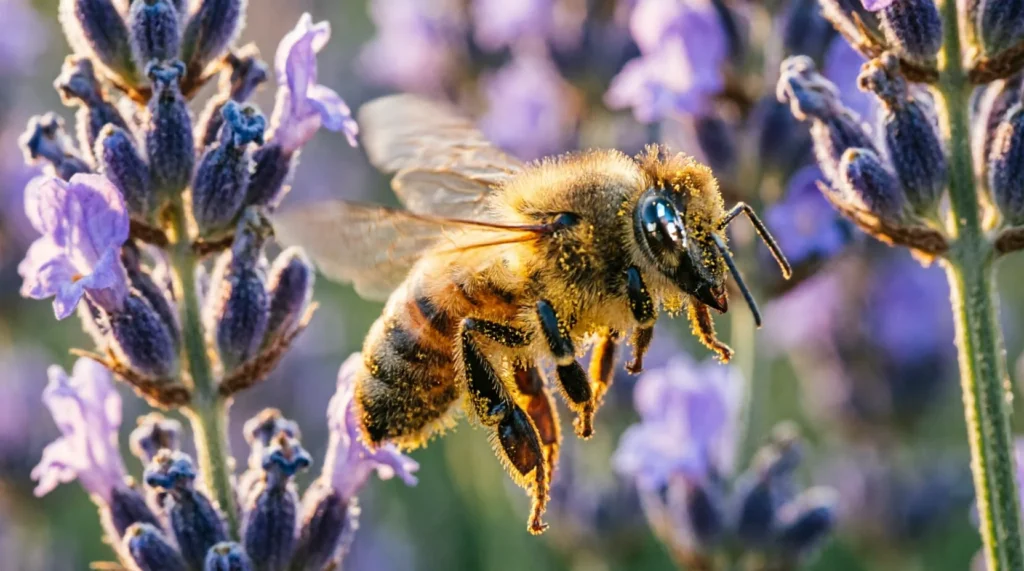
Similes for busyness help you capture that frantic, productive energy when words like “hardworking” just won’t cut it. The examples below range from the classic “busy as a bee” to unexpected comparisons you can drop into essays, stories, or even performance reviews. Use them to show rather than tell when someone’s plate is overflowing.
The Classics Everyone Knows (And When to Actually Use Them)
These are the workhorses of busyness similes. Your readers will recognize them instantly, which is both their strength and their weakness.
-
“as busy as a bee” — “My mom was as busy as a bee all Saturday morning, juggling laundry, grocery shopping, and my little brother’s soccer practice.” (warm, familiar, slightly nostalgic)
- Craft note: This survives because of the alliteration and the bee’s genuine reputation for industry. It’s not lazy writing if the context earns it.
-
“like a one-person circus” — “During finals week, Jake was like a one-person circus, spinning plates of study groups, part-time shifts, and family obligations.” (chaotic, impressive, slightly overwhelmed)
-
“running around like a chicken with its head cut off” — “The morning of the wedding, the bridesmaids were running around like chickens with their heads cut off.” (panicked, disorganized, humorous)
- Craft note: Yes, it’s graphic. Yes, it’s overused. But in the right voice—particularly Southern or rural narratives—it still lands because it’s visceral.
-
“like a hamster on a wheel” — “I’ve been like a hamster on a wheel this quarter, putting in hours but not seeing progress.” (futile, exhausting, modern workplace anxiety)
-
“as industrious as an ant colony” — “The startup team was as industrious as an ant colony, each person carrying ten times their body weight in responsibilities.” (collective effort, admirable, slightly dehumanizing)
-
“like a short-order cook during the lunch rush” — “The ER nurse moved like a short-order cook during the lunch rush, triaging three patients while answering phones.” (high-pressure, skilled, admirable chaos)
I’ll be honest: “busy as a bee” has earned its place, but it’s also the first simile my students reach for when they’re tired. If you’re writing a college essay or a piece that needs to stand out, push past this one. Save it for when the bee imagery actually connects to something else in your piece—pollination, honey, hives, nature.
Modern Workplace and Digital Age Busyness
The nature of “busy” has changed. We’re not just physically active anymore; we’re mentally fragmented, digitally distracted, and constantly pinged. These similes reflect that reality.
-
“like a browser with 47 tabs open” — “My brain right now is like a browser with 47 tabs open, and I can’t remember which one has the music.” (scattered, digital-native, relatable to anyone under 40)
- Craft note: This works because it’s specific and visual. Everyone knows that exact feeling of digital overload.
-
“as plugged in as a server farm” — “The trading floor was as plugged in as a server farm, humming with data and barely any human conversation.” (technological, impersonal, intense)
-
“like a notification center that never sleeps” — “Being a new parent is like being a notification center that never sleeps—something always needs your immediate attention.” (modern, exhausted, parental)
-
“juggling like a tech support chatbot” — “She was juggling customer complaints like a tech support chatbot, handling five conversations at once with canned responses.” (mechanical, overwhelmed, slightly dystopian)
-
“as multitasked as a smartphone” — “My assistant is as multitasked as a smartphone, running email, calendar, calls, and my sanity all at once.” (contemporary, appreciative, slightly anxious)
-
“like an algorithm processing infinite data” — “The analyst worked like an algorithm processing infinite data, finding patterns no human eye could catch.” (impressive, inhuman, cutting-edge)
According to Wikipedia’s entry on “Busy”, the concept of busyness has evolved from purely physical labor to include mental and emotional states. These modern similes capture that shift better than any bee ever could.
Physical Labor and Hands-On Hustle
Sometimes busy isn’t about your inbox—it’s about your hands, your back, your sweat. These similes work for construction sites, farms, kitchens, and anyone who ends the day physically spent.
-
“like a blacksmith’s hammer” — “The carpenter’s hands moved like a blacksmith’s hammer, constant and rhythmic and shaping something real.” (skilled, traditional, admirable)
-
“as relentless as a tide” — “The demolition crew worked as relentless as a tide, taking down the old building piece by piece.” (powerful, natural, unstoppable)
-
“like a farmer during harvest” — “We’re like farmers during harvest right now—every hour counts and there’s no hitting snooze.” (seasonal urgency, time-sensitive, communal)
-
“as constant as a river current” — “The assembly line workers moved as constant as a river current, never stopping, never slowing.” (steady, unglamorous, essential)
-
“like a pit crew at the Indy 500” — “The restaurant kitchen during dinner rush is like a pit crew at the Indy 500—precise, fast, and everyone knows their exact role.” (teamwork, precision, high-stakes)
- Craft note: This one elevates service work by comparing it to elite athletics. Use it when you want to honor someone’s labor.
-
“as tireless as a water wheel” — “The old miller worked as tireless as a water wheel, powered by the stream and the need to feed his family.” (historical, romantic, sustainable energy)
-
“like a mason laying bricks” — “She built her business like a mason laying bricks—one careful, solid piece at a time.” (methodical, patient, foundational)
Chaotic, Overwhelmed, and Barely-Holding-On Busy
Not all busyness is admirable. Sometimes it’s a warning sign, a cry for help, or just plain unsustainable. These similes capture that edge.
-
“like a pinball in a broken machine” — “After the merger announcement, middle management was like a pinball in a broken machine, bouncing everywhere with no control.” (directionless, anxious, corporate)
-
“as scattered as shrapnel” — “Her attention was as scattered as shrapnel after the explosion of deadlines hit.” (violent metaphor, damaged, fragmented)
-
“like a soufflé about to collapse” — “I’m like a soufflé about to collapse—one more request and the whole thing falls.” (fragile, culinary, darkly funny)
-
“as overwhelmed as a dam before it breaks” — “The customer service team was as overwhelmed as a dam before it breaks, holding back a flood of complaints.” (impending disaster, pressure, collective)
-
“like a phone vibrating on silent” — “My nervous system has been like a phone vibrating on silent all week—constant low-level alerts with no way to answer.” (modern anxiety, sensory overload, exhausted)
- Craft note: This one’s strong because it’s tactile. Everyone knows that phantom vibration feeling.
-
“as frantic as a mayfly” — “He lived as frantic as a mayfly, burning through energy knowing his time was short.” (tragic, brief lifespan, existential)
-
“like a clockwork toy winding down” — “By Friday afternoon, I was like a clockwork toy winding down, still moving but barely.” (mechanical, depleted, end-of-week)
Positive, Purposeful, and Energizing Busy
Busy doesn’t have to be negative. Sometimes it’s the good kind—the flow state, the passion project, the work that fills you up even as it uses you up.
-
“like a composer during a creative burst” — “She worked like a composer during a creative burst, losing track of time and meals and everything but the work.” (artistic, transcendent, enviable)
-
“as energized as a solar panel at noon” — “The volunteers were as energized as solar panels at noon, soaking up purpose and radiating it back out.” (renewable, environmental, positive)
-
“like a dancer in the zone” — “The surgeon operated like a dancer in the zone, every movement precise and flowing into the next.” (skilled, graceful, peak performance)
-
“as focused as a laser” — “When she’s writing, she’s as focused as a laser, cutting through distractions.” (intense, modern, slightly aggressive)
-
“like a gardener in spring” — “The teacher was like a gardener in spring, planting seeds everywhere and trusting some would grow.” (nurturing, hopeful, patient work)
- Craft note: This works because it acknowledges that busy work isn’t always immediately visible. Gardening is active but also requires faith.
-
“as productive as a well-oiled machine” — “The event planning team was as productive as a well-oiled machine, anticipating problems before they happened.” (efficient, professional, admirable)
-
“like a writer with a deadline and coffee” — “He attacked the project like a writer with a deadline and coffee—frenzied but fueled by purpose.” (creative, caffeinated, relatable to anyone who’s pulled an all-nighter)
How to Write Your Own Busy Simile
Stop reaching for “busy as a bee” every time. Here’s my three-step process that I teach in every workshop:
Step 1: Identify the type of busy. Is it chaotic? Purposeful? Overwhelming? Physical? Mental? The quality matters more than the quantity.
Step 2: Find an object, animal, or phenomenon that shares that quality. Don’t just think “what’s busy?” Think “what’s busy in this specific way?” A beehive is cooperatively busy. A tornado is chaotically busy. A river is relentlessly busy.
Step 3: Test it aloud. Does it have rhythm? Does it create an image in under two seconds? If you have to explain it, it’s not working.
Worked example: Let’s say you’re describing a parent juggling work-from-home and childcare.
Type of busy: fragmented, interrupted, switching contexts constantly.
Possible comparisons: A DJ scratching records? A referee blowing a whistle? A switchboard operator?
Final choice: “She was like a switchboard operator from the 1940s, manually connecting one call after another with no automatic routing.”
Why it works: It’s specific, slightly historical (which adds texture), and captures the manual, intentional effort of constant switching.
Frequently Asked Questions
Is “busy as a bee” a simile or a metaphor?
It’s a simile because it uses “as” to make the comparison explicit. A metaphor would say “she was a bee” or “her office was a hive.” According to Wikipedia’s definition of simile, this direct comparison using “like” or “as” is what distinguishes similes from metaphors.
Why do we compare busy people to bees specifically?
Bees have been symbols of industry since ancient times. They work collectively, produce something valuable (honey), and appear constantly active. The phrase dates back to at least the 14th century in various forms, though “busy as a bee” became popular in English through poems and children’s literature.
Are there similes for busy that aren’t clichés?
Yes, but you have to dig past the obvious. Instead of animals, try technology (“like a server handling requests”), natural phenomena (“as constant as erosion”), or specific professions (“like a Broadway stagehand during scene changes”). The key is specificity—the more precise the image, the fresher it feels.
Can a simile for busy be negative?
Absolutely. Not all busyness is virtuous. Similes like “like a hamster on a wheel” or “as scattered as shrapnel” convey busy-as-burnout rather than busy-as-productive. Choose your comparison based on the quality of the busyness, not just the fact that someone has a lot to do.

Melissa Harris combines her background in creative writing with a keen analytical mind to bring a unique perspective on similes and figurative language. She holds a Bachelor of Arts in Creative Writing from the University of Iowa and a Ph.D. in Comparative Literature from Stanford University. Her love for the lyrical and the whimsical aspects of language drew her to specialize in figurative speeches, such as similes. With over a decade of experience as a writer and editor, Melissa is adept at breaking down complex figurative constructs into digestible insights for her audience. She is especially interested in the cognitive impact of similes in poetry and prose and enjoys experimenting with innovative approaches to simile creation in her writing. At SimileStation, Melissa contributes in-depth analysis pieces and creative exercises designed to spark imagination and refine readers’ use of similes. Her work inspires others to view language as an ever-evolving canvas, where words create a vivid tapestry of expression.